
AI Search and Google Are Doing Different Jobs for Your Shopify Store, and One Fix Helps Both
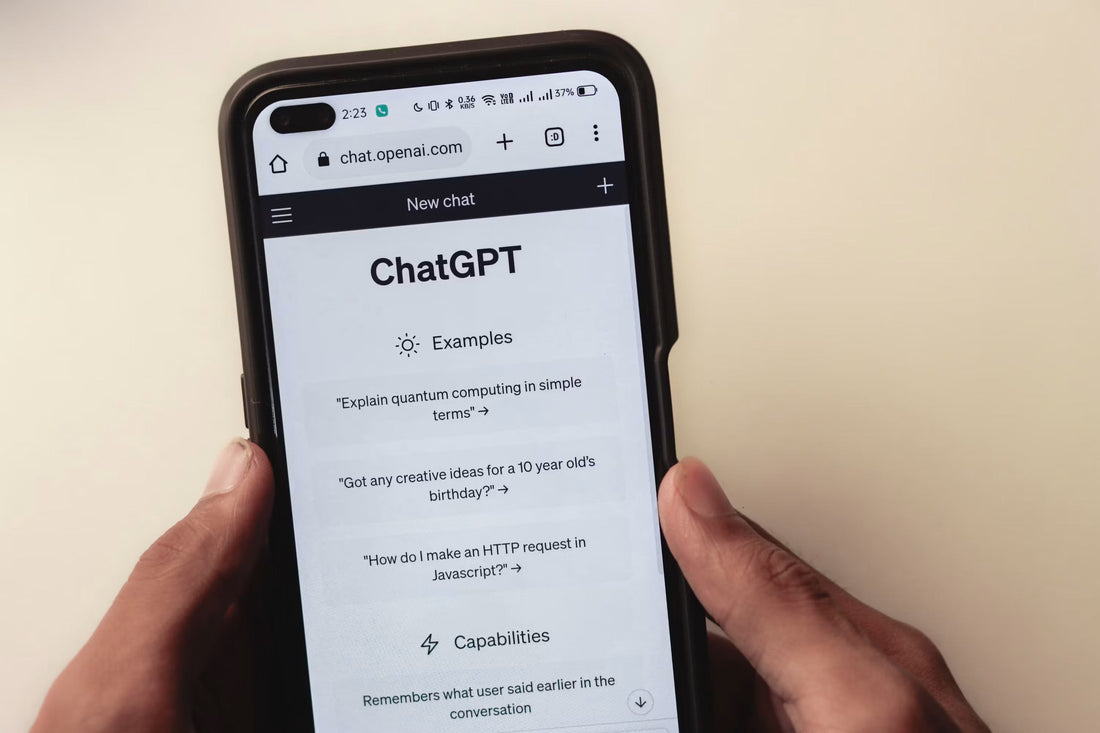
There are two stories doing the rounds about AI search. One says it's about to replace Google. The other says it's a rounding error and you can ignore it for another year. Shopify's Q2 2026 referral data, published on its Enterprise blog in August, says neither is right, and the detail is more useful than either headline.
The short version: AI-referred sessions to Shopify storefronts grew 197% year on year, and organic search grew 12% on a base that's still far larger. Shoppers aren't switching from one to the other. They're using each for a different kind of purchase. For an Australian Shopify store, that changes which pages you fix first, and it turns out the same fix serves both channels.
WHAT THE NUMBERS SAY, AND WHAT THEY DON'T
The growth figure gets the attention, but the base matters more. Organic search still sends Shopify merchants more sessions than every tracked AI platform combined. So if you're deciding where an afternoon of effort goes, Google is still where most of your new visitors come from.
What AI traffic lacks in volume it makes up for in intent. When an AI-referred shopper reached a product page, they converted about 80% better than an organic visitor on the same page. Half of AI-referred sessions landed directly on a product page rather than the homepage or a collection. The assistant has already done the shortlisting; the shopper arrives to confirm and buy.
One caveat Shopify raises that's easy to miss. Google's AI Overviews and AI Mode usually get counted as organic in your analytics, so whatever AI number you're looking at in Shopify or GA4 is an undercount. If your "AI" channel looks tiny, it's partly a reporting artefact.
WHICH PURCHASES AI IS WINNING
The most useful part of the data is the category split. Shopify draws a line between spec-led categories, where shoppers compare specifications, compatibility, use cases and reviews before buying, and taste-led categories, where they already know the brand or style and want to browse themselves.
In spec-led categories, AI-referred shoppers converted at roughly twice the rate of organic. That fits how people use an assistant: "which of these fits a 2019 Hilux", "what's the difference between these two", "is this one safe for a toddler". The AI answers the research question and hands over a buyer.
Taste-led categories look different. Shoppers don't need help building a shortlist of dresses, but AI introduced net-new customers at about 1.3x the rate of organic search. People are asking assistants to find brands they wouldn't have found on their own.
The parent category can hide this. Apparel overall converts about 1.6x better from AI than organic, but watches sit at 2.4x and necklaces at 2.3x. A t-shirt and a watch live under the same label and get bought completely differently. If you sell anything a customer researches before buying, whether that's supplements, car parts, camping gear, skincare actives or kids' car seats, you're in the group where AI referrals are already outperforming.
THE ONE PIECE OF WORK THAT HELPS BOTH CHANNELS
Here's the finding that should settle the "why act now" question. When an AI assistant drew on structured Shopify Catalog product data to recommend a product, the shoppers it referred converted at twice the rate of shoppers from AI sessions that relied on scraped pages or third-party feeds. Cleaner product data, better buyers.
That's the same data Google reads. Google's own documentation says AI Overviews and AI Mode run on the same core ranking systems as Search, so there's no separate playbook to buy. The work is filling in product taxonomy categories and metafields so that audience, use case, compatibility, materials, fit and "best for" details exist as discrete fields rather than living in a paragraph of prose (or in an image, where nobody can read them). Shopify's Agentic section in the admin now shows the top AI queries in your category and how your products rank against them, which is a quick way to see the language shoppers actually use before you write a single field.
Then look at the product page itself, because that's where AI sends people. It has to confirm the research the shopper already did: clear specs, compatibility, delivery and returns, FAQs, and reviews with review structured data so the ratings are eligible for snippets. A product page built for a browser wandering in from the homepage is not the same page as one built for someone who's arrived ready to buy.
The honest reading of Shopify's data is that AI search is small, growing fast, and already worth more per visitor than organic on the purchases people research. Organic is still where the volume is. The good news is you don't have to pick. Structured product data, a product page that closes the sale, and reviews marked up properly serve both.
Two things to check on your own store this week. Open the Agentic section of your Shopify admin and see which AI queries in your category your products aren't showing up for. Then open your analytics by referrer and compare conversion rate for AI sources against organic. If the AI number is higher, and in a research-heavy category it probably is, that's your case for doing the catalogue work now rather than next year.
If you'd like a second pair of eyes on your product data and product pages, that's the kind of audit we do at beCommerce. Get in touch and we'll show you where the gaps are.
Is your store making any of these mistakes?
We audit Shopify stores for exactly these kinds of conversion-killing patterns — the ones that have become normalised until you see them through a customer's eyes.
Book your free audit →
