Health, Safety and Money Claims: What Needs an Expert Name Against It
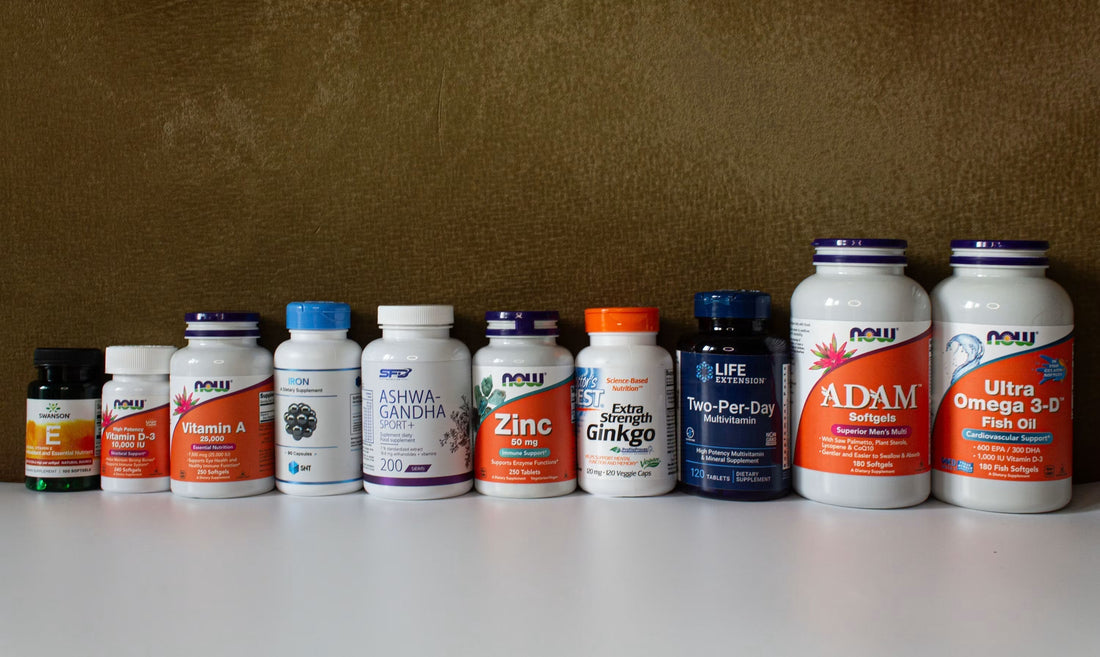
Somewhere on your site right now there's a sentence like "supports joint health in older dogs" or "helps regulate your baby's sleep cycle" sitting on a product page with nobody's name against it. Not the founder's, not a vet's, not a study's. The brand is saying it, which in practice means no one is.
If you sell in pet health, supplements, skincare, baby or anything money-adjacent, those unattributed claims are the most expensive sentences on your site. Not because a copywriter overreached, but because two separate systems now judge them: Google's quality framework, and Australian regulators. Only one of those can fine you, so we'll take them in order of seriousness, which is the reverse of how most SEO articles do it. Actually, no. Let's start with Google, because it explains why the regulator part matters twice over.
"The brand is saying it, which in practice means no one is."
The afternoon audit, by the numbers
10
Best-selling product pages to check first
5
Most-visited blog posts to check alongside them
2
Questions to ask of every claim: who says this, and where's the proof
Your category has a name, and it's YMYL
Google's Search Quality Rater Guidelines, the 180-odd page manual its human raters use to score search results, single out a class of pages called YMYL: Your Money or Your Life. Health, finance and safety topics, where a bad answer can genuinely hurt someone. If your products go in mouths, on skin or near infants, your product pages and your blog sit squarely inside it. The September 2025 update widened YMYL further, into civics and elections, which tells you the direction of travel. More scrutiny, not less.
For YMYL pages, raters are told to hold content to the highest standard of E-E-A-T: Experience, Expertise, Authoritativeness and Trust. Trust is the foundation, and the other three exist to support it. The first E, Experience, was only added in late 2022, specifically to credit first-hand knowledge, someone who has actually used the product, treated the condition, raised the puppy.
One clarification, because it gets garbled in most writing on this: raters don't rank your site. Their scores are used to evaluate and train the ranking systems. The practical effect for a merchant is the same, though. If your health claims read like they came from a copywriter rather than from someone qualified to make them, you're on the wrong side of the standard Google is training its systems to prefer, and the same logic is being inherited by the AI assistants deciding which stores to recommend.
The liability question comes before the SEO one
For Australian merchants in these categories, unattributed claims aren't just a rankings risk. They're a regulatory one, and this is where the "expert name" question stops being about content polish.
If you sell ingestible supplements, and that includes gummies promoted for skin, hair or nails, you're almost certainly selling therapeutic goods under the TGA's rules. Listed medicines can only carry indications from the Permissible Indications Determination, every claim has to be substantiated before it's published, and your advertising can't be inconsistent with your ARTG entry. There's a reason careful brands write "may assist" and "helps maintain" rather than "treats": the strength of the claim sets the strength of evidence required.
Skincare sits on a boundary. A moisturiser is a cosmetic, but promise it treats eczema and you may have turned it into a therapeutic good with a different rulebook. And anything touching money brings the Australian Consumer Law into frame, where misleading conduct doesn't require intent, just effect.
None of this is legal advice, and if you're making strong claims in these categories, an hour of actual legal advice is the cheapest fix in this article. The point is narrower. "Who is allowed to say this, and based on what" is a question your site should be able to answer before Google, or anyone with a complaint form, asks it.
"Who is allowed to say this, and based on what" is a question your site should be able to answer before Google, or anyone with a complaint form, asks it.
What an expert name looks like on a page
The fix isn't hiring a professor. It's attribution, done honestly, in the places a reader and a machine both look.
A real reviewer on educational content. "Reviewed by Dr [name], BVSc" on the pet nutrition guide, with a short bio and a line on what they actually reviewed. If a qualified person checked the piece, say so. If no one did, that's the gap to close, not the label to fake.
Claims tied to sources. "Backed by science" is decoration. A named study, linked, with one line on what it found, is a claim. If you can't cite it, soften it until it's something you can stand behind, which is also exactly what the TGA expects you to have done anyway.
The founder's experience, on the page. The first E is Experience, and ten years formulating for sensitive skin, or a decade raising working dogs, is legitimate E-E-A-T. But only when it's visible, with a name and a face, rather than implied by the brand voice. Most stores bury this on an About page nobody reads while their product pages speak in an anonymous first-person plural.
Consistency between page and claim. Your product page, your blog, your FAQ and your ads should make the same claim at the same strength. The version regulators and raters both punish is the store that's careful on the label and loose on the blog, because the blog is still advertising.
Go and read your ten best sellers
This afternoon's audit. Open your ten best-selling product pages and your five most-visited blog posts. Highlight every sentence that makes a health, safety or money claim. For each one, ask two questions. Who is saying this? And where on the page would a sceptical stranger find out?
Every highlight with no name and no source is a job. Sort the list by risk: strongest claim on the highest-traffic page first. Some will get an expert reviewer, some will get a citation, and some, honestly, should be rewritten down to what you can support. If the list turns out longer than an afternoon, a structured review of how your store presents evidence is the kind of work we do at beCommerce. But start with the highlighter. It's free.
Is your store making any of these mistakes?
We audit Shopify stores for exactly these kinds of conversion-killing patterns — the ones that have become normalised until you see them through a customer's eyes.
Book your free audit →